
Understanding UK Fire Safety Regulations
Fire safety is a critical concern for anyone responsible for buildings in the UK. Whether you manage residential properties, commercial spaces, or mixed-use buildings, understanding your legal duties is essential. Fire safety laws protect lives and property, and failing to comply can lead to serious consequences. In this post, I’ll walk you through the key points of UK fire safety laws, explain important standards, and offer practical advice to help you stay compliant and keep your premises safe.
What You Need to Know About UK Fire Safety Laws
UK fire safety laws are designed to reduce the risk of fire and ensure safe evacuation if a fire occurs. The main legislation you need to be aware of is the Regulatory Reform (Fire Safety) Order 2005. This law applies to almost all non-domestic premises, including common areas in residential buildings like flats and apartment blocks.
Under this law, you must:
Carry out a thorough fire risk assessment.
Implement appropriate fire safety measures.
Maintain fire detection and alarm systems.
Provide clear emergency routes and exits.
Train staff or residents on fire safety procedures.
The fire risk assessment is the cornerstone of compliance. It identifies potential fire hazards, evaluates risks to people, and sets out actions to reduce those risks. You can do this yourself if you have the right knowledge, but many choose to hire a professional fire risk assessor for peace of mind.
Practical tip: Review your fire risk assessment annually or whenever there are significant changes to your building or its use.
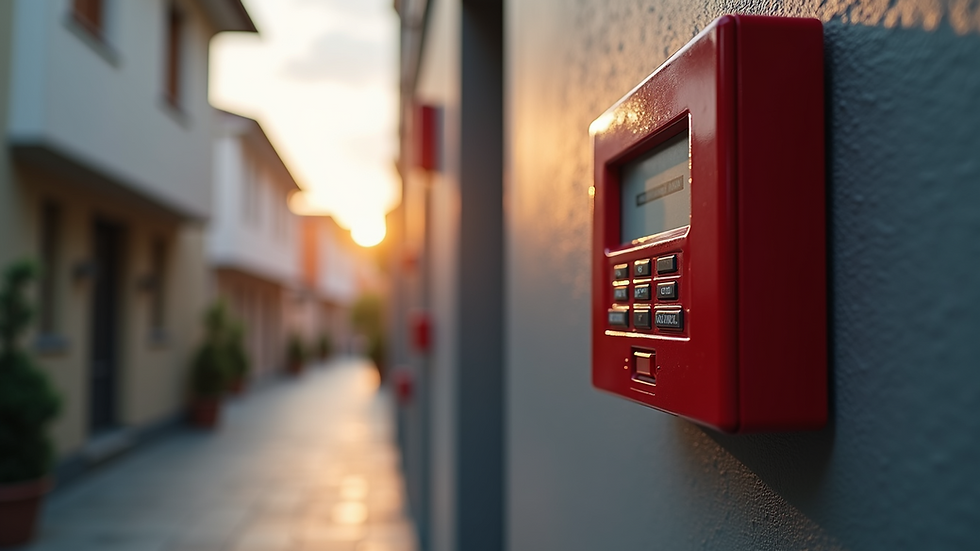
How UK Fire Safety Laws Affect Your Property Management
Managing fire safety is not just about ticking boxes. It’s about creating a safe environment for everyone who uses your property. Here’s how UK fire safety laws impact your day-to-day responsibilities:
Regular Inspections: You must regularly check fire doors, emergency lighting, fire extinguishers, and alarm systems. Faulty equipment can put lives at risk and lead to legal penalties.
Clear Signage: Emergency exits and escape routes must be clearly marked and free from obstruction at all times.
Staff Training: If you run a business, your employees need fire safety training. This includes knowing how to raise the alarm, use fire extinguishers, and evacuate safely.
Record Keeping: Keep detailed records of your fire risk assessments, maintenance checks, and training sessions. These documents prove your compliance during inspections.
By staying on top of these tasks, you reduce the risk of fire incidents and demonstrate your commitment to safety.
Did you know? Fire safety laws also require you to consider vulnerable individuals, such as elderly residents or people with disabilities, when planning evacuation procedures.
Is BS 476 Still Current in the UK?
You might have heard about BS 476, a British Standard related to fire tests on building materials and structures. So, is it still relevant today?
The short answer is yes, but with some caveats. BS 476 remains a recognized standard for fire resistance testing, especially for certain materials and components. However, it has largely been supplemented or replaced by European standards such as BS EN 13501-1, which classifies the fire performance of construction products.
For practical purposes, many fire safety professionals refer to both standards depending on the context. For example:
BS 476 is often used for testing fire resistance of walls, floors, and doors.
BS EN 13501-1 provides a broader classification system for fire performance.
If you’re specifying fire-resistant materials or assessing existing structures, it’s important to check which standard applies. Your fire risk assessor or building control officer can guide you on this.
Remember: Compliance with fire safety laws means using materials and systems that meet the required fire performance standards, whether BS 476 or newer ones.

Practical Steps to Meet Fire Safety Requirements
Meeting fire safety requirements can seem overwhelming, but breaking it down into manageable steps helps. Here’s a simple plan you can follow:
Conduct a Fire Risk Assessment: Identify hazards, evaluate risks, and decide on control measures.
Install and Maintain Fire Safety Equipment: This includes smoke alarms, fire extinguishers, emergency lighting, and fire doors.
Create Clear Evacuation Plans: Post evacuation routes and ensure everyone knows what to do in an emergency.
Train Occupants and Staff: Regular training sessions improve readiness and reduce panic during incidents.
Keep Records: Document all assessments, maintenance, and training activities.
Review and Update: Fire safety is an ongoing process. Review your measures regularly and update them as needed.
By following these steps, you’ll build a strong foundation for fire safety compliance.
Tip: Use trusted suppliers and installers for fire safety equipment to ensure quality and certification.
Why FireStop Technologies Can Help You Stay Compliant
Navigating the complexities of fire safety laws can be challenging. That’s where expert support makes a difference. FireStop Technologies specialises in helping landlords, property managers, and business owners across the UK meet their legal obligations with ease.
They offer:
Professional fire risk assessments tailored to your property.
Installation and maintenance of fire stopping products.
Advice on the latest fire safety standards and regulations.
Training and support to keep your team informed.
By partnering with experts, you reduce your workload and gain confidence that your property is safe and compliant.
If you want to learn more about how to meet your obligations under uk fire safety regulations, FireStop Technologies is a reliable resource.
Taking Fire Safety Seriously Protects Lives and Property
Fire safety is not just a legal requirement - it’s a responsibility that can save lives and protect your investment. By understanding UK fire safety laws and taking practical steps, you create a safer environment for everyone who uses your buildings.
Remember to:
Stay informed about current regulations and standards.
Regularly assess and improve your fire safety measures.
Seek professional advice when needed.
Taking these actions shows you care about safety and helps you avoid costly fines or worse.
Final thought: Fire safety is a continuous journey. Keep learning, stay vigilant, and make safety a priority every day.


Comments