
The Importance of Fire Safety Maintenance: Protecting Your Premises
Fire safety is not just a legal obligation; it is a critical part of protecting your property and the people within it. Whether you manage residential buildings, commercial spaces, or mixed-use properties, understanding and implementing effective fire safety measures can save lives and prevent costly damage. In this post, I will guide you through the essentials of maintaining fire safety in your premises, helping you stay compliant and secure.
Why You Should Prioritise the Importance of Fire Safety Maintenance
Fire safety maintenance is more than just ticking boxes on a checklist. It is about creating a safe environment where risks are minimised and emergencies can be handled swiftly. Regular upkeep of fire safety equipment and systems ensures they function correctly when needed. For example, a fire alarm that hasn’t been tested might fail during an emergency, putting everyone at risk.
Ignoring fire safety can lead to severe consequences, including:
Legal penalties and fines
Increased insurance premiums or refusal of coverage
Loss of property and business interruption
Injury or loss of life
By prioritising fire safety maintenance, you protect your investment and demonstrate responsibility towards tenants, employees, and visitors.

What is fire safety maintenance?
You might wonder, what exactly does fire safety maintenance involve? Simply put, it is the ongoing process of inspecting, testing, repairing, and replacing fire safety equipment and systems. This includes:
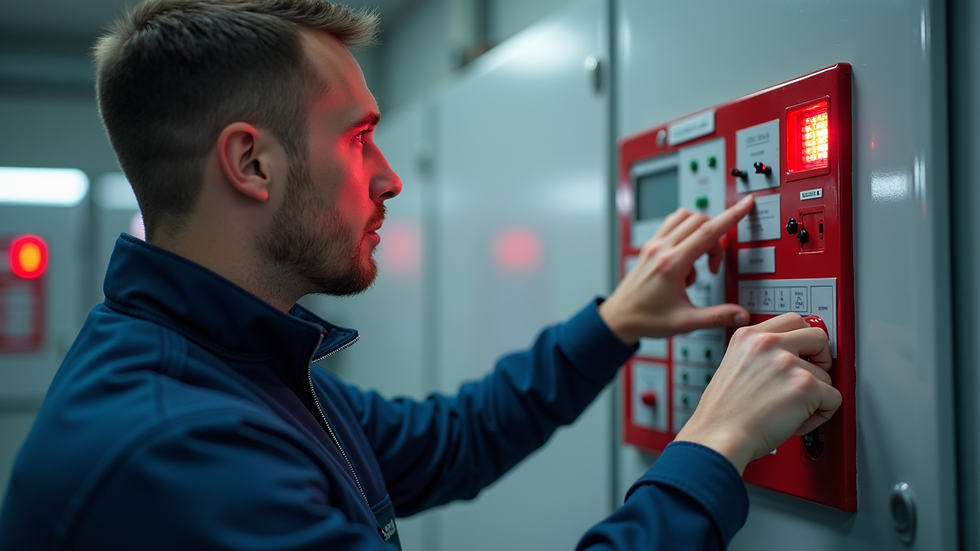
Fire alarms and detection systems
Emergency lighting
Fire extinguishers and hose reels
Fire doors and escape routes
Sprinkler systems and fire suppression equipment
Maintenance ensures these components are in good working order and comply with UK fire safety regulations. For instance, fire doors must close properly to prevent smoke and flames from spreading. Regular checks can identify issues like damaged seals or faulty closers before they become dangerous.
A well-maintained fire safety system also means quicker response times during an incident, reducing damage and increasing safety.
How to Implement Effective Fire Safety Maintenance
Implementing a robust fire safety maintenance plan might seem daunting, but breaking it down into manageable steps makes it easier. Here’s how you can start:
Conduct a Fire Risk Assessment
Identify potential fire hazards and evaluate existing safety measures. This assessment should be updated regularly or when changes occur in the building or its use.
Create a Maintenance Schedule
Set clear timelines for inspecting and servicing all fire safety equipment. For example, fire alarms should be tested weekly or monthly, while extinguishers require annual servicing.
Train Your Staff or Tenants
Ensure everyone knows how to use fire safety equipment and understands evacuation procedures. Regular drills can reinforce this knowledge.
Keep Detailed Records
Document all inspections, tests, repairs, and training sessions. This not only helps with compliance but also tracks the condition of your fire safety systems over time.
Engage Professional Services
Some maintenance tasks require certified professionals, such as servicing sprinkler systems or conducting electrical tests on alarms. Hiring experts ensures work is done correctly and safely.
By following these steps, you create a safer environment and reduce the risk of fire-related incidents.
Common Fire Safety Maintenance Challenges and How to Overcome Them
Maintaining fire safety can come with challenges, but knowing what to expect helps you prepare. Here are some common issues and practical solutions:
Neglected Equipment
It’s easy to forget about fire safety equipment until it’s too late. Set reminders and use digital tools to track maintenance schedules.
Lack of Knowledge
Not everyone understands fire safety requirements. Provide clear guidance and training to those responsible for maintenance.
Budget Constraints
Fire safety can seem costly, but the price of non-compliance or fire damage is far higher. Prioritise essential maintenance and plan budgets accordingly.
Changing Regulations
Fire safety laws can evolve. Stay informed through official sources and update your practices as needed.
Access Issues
Some equipment may be hard to reach or inspect regularly. Plan for safe access and consider professional help for difficult tasks.
Addressing these challenges proactively ensures your fire safety systems remain reliable and effective.
Staying Compliant with UK Fire Safety Regulations
Compliance with UK fire safety laws is mandatory for landlords, property managers, and business owners. The Regulatory Reform (Fire Safety) Order 2005 sets out the legal framework for fire safety in non-domestic premises. Key requirements include:
Carrying out and regularly reviewing fire risk assessments
Maintaining fire safety equipment and systems
Providing adequate fire detection and warning systems
Ensuring clear and accessible escape routes
Training staff and occupants on fire safety procedures
Failure to comply can result in enforcement actions, fines, or even prosecution. Keeping up with these regulations protects you legally and enhances safety.
Remember, fire safety maintenance is a continuous process, not a one-time task. Regular reviews and updates are essential to meet changing needs and standards.
Taking the Next Steps to Protect Your Premises
Now that you understand the importance of fire safety maintenance and how to implement it, what should you do next? Start by reviewing your current fire safety measures. Ask yourself:
When was the last time you had a fire risk assessment?
Are all fire safety devices regularly tested and serviced?
Do your staff or tenants know what to do in case of fire?
Are your records up to date and easily accessible?
If you find gaps, create an action plan to address them. Consider consulting fire safety professionals for expert advice and support. Remember, investing time and resources in fire safety today can prevent disasters tomorrow.
By taking these steps, you ensure your premises are safer, compliant, and ready to handle emergencies effectively. Fire safety is a shared responsibility, and your proactive approach makes all the difference.


Comments